Ce journal hebdomadaire est particulièrement apprécié des Canadiens qui vivent ou projettent de venir s’installer à Montréal. Le journal présente à la fois les actualités internationales, nationales et de la ville de Montréal. Vous retrouverez également d’autres rubriques un peu plus légères mais tout autant appréciées de nos lecteurs.
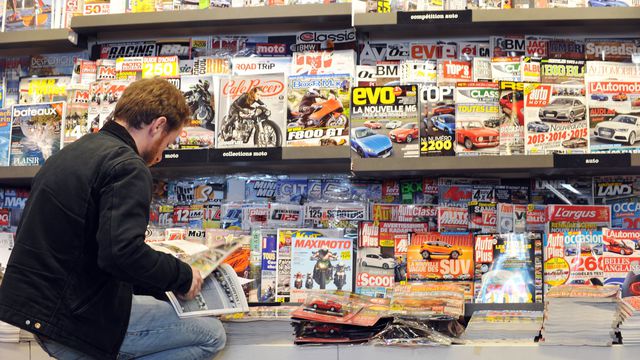
Il est possible d’acheter ce magazine chez la plupart des buralistes à Montréal et de sa banlieue. Le réassort se fait tous les jeudis. Découvrez ce magazine que les Canadiens apprécient particulièrement ainsi que quelques-unes des différentes rubriques qui le composent.
Les actualités internationales
Le magazine se veut neutre au niveau politique est n’est donc influencé par aucun parti politique en particulier. Il retrace les grands événements majeurs survenus dans le monde pendant la semaine, qu’ils soient politiques, sociaux, culturels ou écologiques.
Les rédacteurs ne laisseront passer aucune actualité importante.
Les actualités nationales
Même si les Canadiens sont plutôt friands de la télévision et des informations sur internet pour suivre l’actualité, nombreux sont encore ceux qui apprécient de feuilleter un magazine pour découvrir ce qui se déroule dans les autres régions du Canada.
Montréal magazine fait régulièrement partir des reporters pour des enquêtes exclusives dans d’autres régions.
L'actualité numérique
Même si nos lecteurs ne sont pas ceux qui passent le plus de temps sur internet, nombreux sont cependant, ceux qui apprécient d’avoir des informations concrètes sur les nouvelles technologies et le digital. C’est pour cela que certains de nos rédacteurs sont spécialisés dans le numérique et invitent nos lecteurs à rejoindre la communauté Montréal Magazine en ligne sur notre plateforme ou sur les réseaux sociaux.
Cette rubrique relate également des grandes avancées technologiques et numériques réalisées par des chercheurs Canadiens.
Les sorties de la semaine
Montréal est une ville dynamique et ses habitants ne sont pas en manque d’idées pour occuper leurs semaines. Si toutefois vous recherchez une activité à faire dans cette belle ville, n’hésitez pas à jeter un œil à notre agenda de sorties de la semaine.
Vous ne manquerez ainsi aucun nouveau film au cinéma, exposition, concert, vide grenier, spectacle, etc.
Le sport
Les habitants de Montréal sont particulièrement sportifs et ils aiment aussi regarder le sport. C’est pour cela que la rubrique sport du Montréal Magazine est particulièrement appréciée des lecteurs. Nos rédacteurs sportifs vous promettent des articles de qualités sur les équipes emblématiques du Canada que ce soit au soccer, au hockey sur glace ou au basketball.
Mais, nous vous fournirons également toutes les informations essentielles sur l’actualité du sport dans le monde.
La météo
Enfin, si vous avez prévu une sortie ou que la semaine prochaine est celle de vos congés, n’oubliez pas de jeter un œil à notre rubrique météo. Nous annonçons les prévisions météorologiques pour toute la semaine à venir.
Cet article vous a peut-être donné envie de feuilleter notre magazine. Si tel est le cas, vous pouvez retrouver Montréal Magazine chez votre marchand de journaux ainsi que quelques articles en exclusivité sur notre site web.